

Table of contents
Search Dental Insights

Starting a Dental Practice: Essential Steps to Follow
October 20, 2024 |
by Tempfind Research
|
For Dental Clinic
Starting a dental practice is less about the first day you treat patients and more about everything you set up before that day. A clinic runs on predictable scheduling, clean documentation, consistent sterilization, stable staffing, and cash flow that can handle slow weeks without cutting corners. If any one of those breaks, the clinical work gets harder and the patient experience drops.
This guide walks through the core steps in the order most owners feel them: planning, compliance, location, setup, hiring, daily operations, and growth.

Planning Your Dental Practice
Conducting Market Research
Start with what your local market actually does, not what general dentistry statistics say. Look at how long people wait for a new patient appointment, whether hygiene is booked out, and how clinics handle emergencies. Pay attention to practical friction points such as parking, transit, and building access, because those show up as late arrivals and no shows.
Do a simple competitor scan with a patient lens. Check hours, services offered, review patterns, and online booking availability. Then do the same from a hiring lens by looking at what roles are posted, how often they are reposted, and what rates and requirements appear repeatedly. This gives you a clearer picture of both patient demand and staffing supply before you sign a lease.
Setting a Budget and Financial Plan
A realistic budget separates one time costs from monthly costs, then adds enough runway for the ramp up period. Renovations and equipment are visible, but the quiet costs are often what hurt: service contracts, supplies, waste disposal, software, insurance, and payroll that starts before production is stable.
Build a monthly cash flow view with conservative assumptions for schedule fill. Plan for the time it takes to credential, set up billing, and train a team to your standards. Treat working capital as a requirement, not a nice to have.
Legal and Regulatory Considerations
Registering Your Practice
Your business structure affects taxes, liability, ownership, and how you hire. Confirm the rules where you operate before you commit to contracts or financing. If you are mapping pathways and requirements in Canada, this overview can help you frame the licensing and setup considerations around LLC dental licensing.
Keep your registration work organized as a checklist with dates and owners. It is easier to prevent delays when you can see what depends on inspections, what depends on third parties, and what can be completed in parallel.
Obtaining Necessary Licenses and Permits
Licensing and permits are where timelines slip. Inspections, radiation requirements, infection prevention rules, and local business approvals can take longer than expected, especially if your build out changes during construction.
Work backward from your planned opening date. Lock in the steps that require inspections first, then schedule equipment delivery so you are not paying for idle assets. Document your clinical policies early, because they often overlap with training, onboarding, and compliance.
Finding the Ideal Location for Your Practice
Factors to Consider When Choosing a Location
A good location is one patients can reach reliably and staff can work in without daily friction. Accessibility matters more than a nice looking address. Parking availability, transit options, elevator reliability, and entry signage affect attendance in a way most owners underestimate.
Evaluate the lease with a dental build out in mind. Confirm what modifications are allowed, who pays for what, and whether you have room to add operatories later. Expansion is expensive if the space cannot support it.
Office Layout and Design for a Comfortable Environment
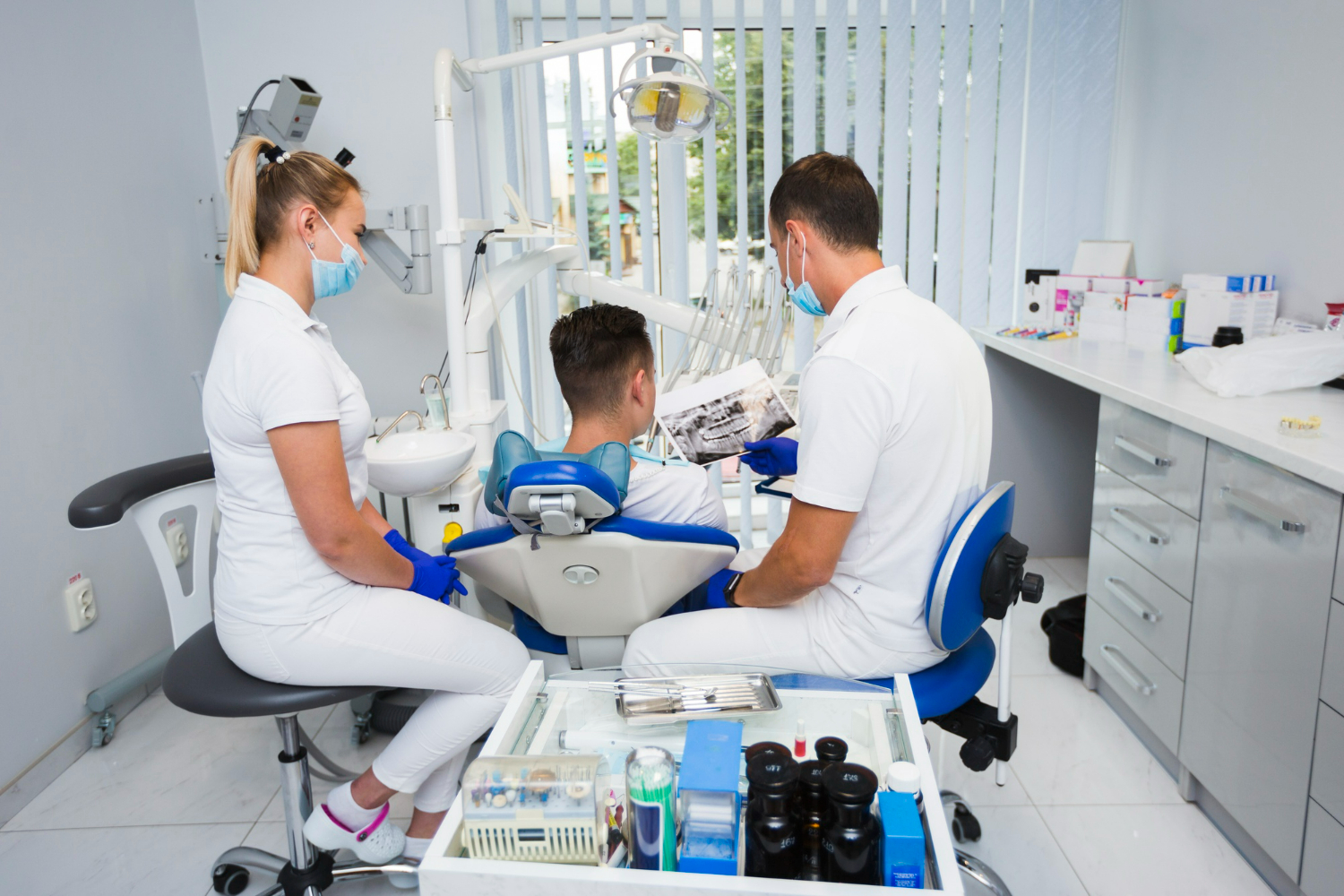
Layout is workflow. If instruments move inefficiently or sterilization is cramped, delays become routine. Patients notice that through longer waits, rushed explanations, and inconsistent room turnover.
Design around a clean path and a dirty path, and make it hard to mix them. Keep documentation easy at chairside so notes do not get pushed to the end of the day. Small decisions here directly affect clinical consistency and staff stress.
Equipping Your Dental Practice
Essential Equipment for Dental Office
Choose equipment based on what you will use every day in year one. Prioritize operatories, sterilization capacity, and imaging that matches your services and documentation requirements.
When you evaluate imaging purchases, it helps to understand the vendor market context. A commonly cited data point is that the radiology market has grown by a staggering USD 2.45 billion. That trend explains why products and pricing change quickly, but your decision still needs to come back to reliability, maintenance, workflow fit, and total operating cost.
Office Technology and Software Needs
Your practice management system sets the pace of the day. If scheduling templates are messy or charting is inconsistent, the clinic loses time and errors increase. Before you open, standardize appointment types, define documentation expectations, and decide how you will handle cancellations, recalls, and insurance verification.
Make sure access control is set up properly so patient data is protected and edits are tracked. Train the team on the actual workflow you expect, not just the buttons to click.
Hiring and Building a Skilled Team
Identifying Key Staff Roles: Dentists, Hygienists, and Assistants
Staffing is not just “hire good people.” It is defining what each role owns so the day does not collapse when one person is out. Be specific about clinical duties, room turnover, charting standards, and how communication happens between front desk and clinical staff. The clearer the roles, the less you rely on heroics to keep the schedule moving.
Recruiting and Onboarding Your Dental Team
Write job descriptions that reflect your real workflow and systems. During interviews, test for practical fit: how candidates handle pace, how they document, how they communicate with patients, and how they deal with last minute schedule changes.
Onboarding should include your sterilization process, your charting standards with examples, and your expectations for handoff between providers. If you want operational support around hiring coordination and HR processes, Tempfind offers HR Concierge and it can be used to reduce admin load while you focus on opening and clinical delivery.
Exploring Temporary Staffing Options for Flexibility
Temp staffing helps during the ramp up period, vacations, sick days, and unexpected schedule spikes. It also gives you a way to test workflows and coverage needs without locking into a permanent headcount too early. The goal is stability: patients should not feel the clinic is improvising when coverage changes.
Searching for talented dental professionals to enhance your team? Explore our pool of qualified candidates and discover the perfect fit for your clinic today!
Hire temporary professionals nowManaging Day-to-Day Operations
Patient Scheduling and Record Management
The schedule is the clinic’s spine. Build templates that match real procedure times and leave room for recovery when something runs long. Use consistent appointment types so the team can anticipate room setup and documentation needs.
Record management needs the same discipline. Decide what must be documented during the appointment, what can be completed after, and who checks for completeness. Most workflow problems show up first as documentation gaps and billing delays.
Billing, Insurance, and Payment Processing
Billing systems work best when they are boring. Set clear rules for insurance verification timing, patient communication scripts, and payment plans. Train front desk staff to handle common questions without escalating every case. This reduces friction at checkout and avoids rework later.

Growing and Expanding Your Practice
Offering Additional Services
Add services when you can support them operationally. That means the right equipment, the right skills on the team, and time in the schedule to deliver consistently. Avoid adding procedures because they are trending online. For example, the oil pulling trend gets attention, but popularity is not the same as a clinically supported service offering.
When you expand, tie it to patient demand you can observe in your own charts and inquiries. That keeps growth grounded in real needs and reduces wasted spend.
Leveraging Patient Feedback for Continuous Improvement
Feedback is most useful when it maps to a process you can change. Track reasons for cancellations, late arrivals, common complaints, and friction points at check in and checkout. Then make one change at a time and measure whether the signal improves. This approach is slower than reacting to every comment, but it builds a clinic that runs predictably and improves without constant resets.
Streamline your hiring process with ease! Sign up now to connect with skilled candidates tailored to your clinic’s needs.
Register your Clinic
Categories:
For Dental Clinic


