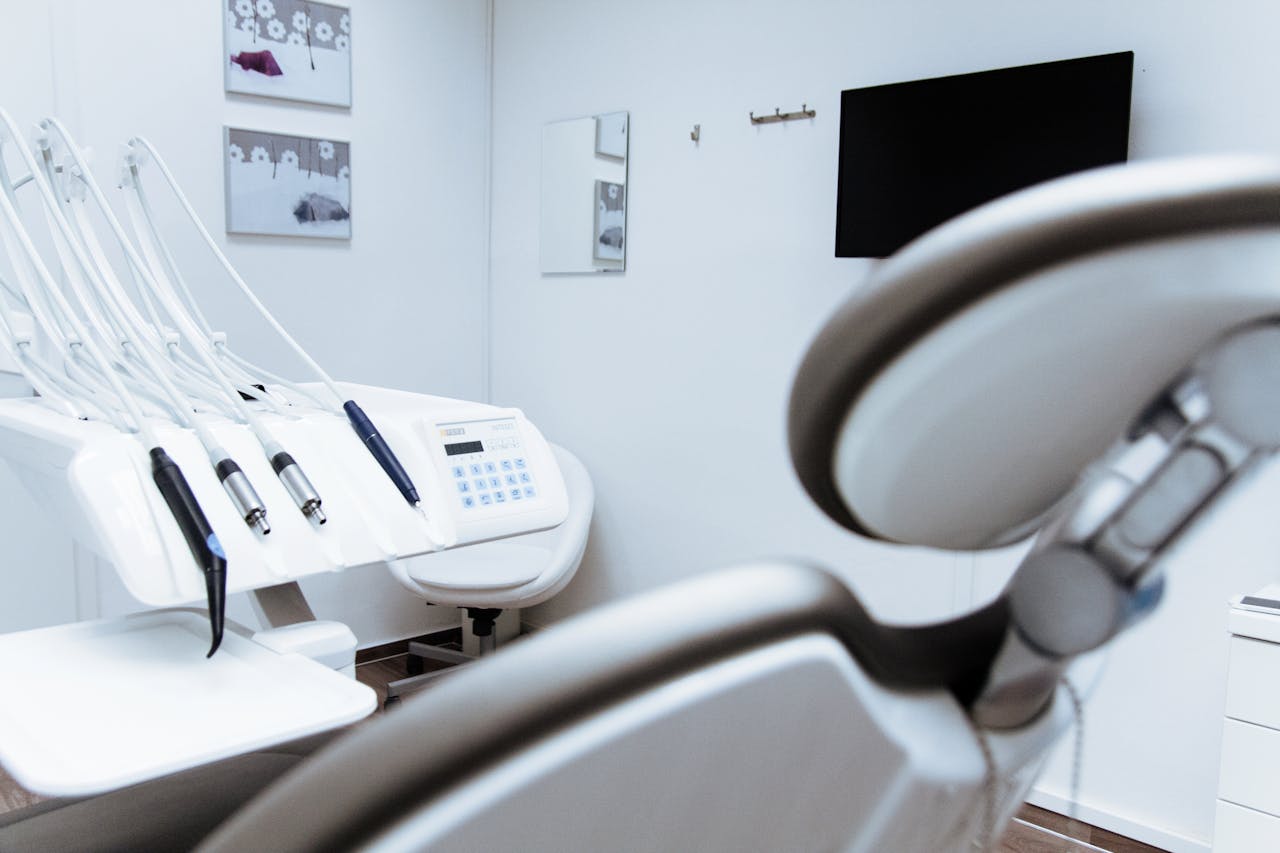
Dental hygienists sit at the center of prevention. In many clinics, they are the clinician who spends the most time with a patient during routine care, and their work reduces avoidable treatment by spotting issues early and keeping gum and enamel health on track. In Canada, oral health habits have improved over time, and national snapshots point to progress. For example, 8 in 10 Canadians report their oral health as good or excellent. That kind of self reported trend does not happen by chance. It is tied to prevention, education, and consistent clinical hygiene care.
This article breaks down what dental hygienists do in day to day practice, how the role differs from adjacent dental jobs, the education and licensing path in Canada, and what is changing in 2026.
Who dental hygienists are and how the role fits in a clinic
A dental hygienist is a licensed oral health professional focused on preventing disease and supporting overall dental care. The exact scope depends on the province or territory, but the work usually sits in four lanes.
First, assessment. Hygienists review medical history updates, note risk factors, and examine teeth and soft tissue. Second, preventive treatment. They remove plaque and calculus, reduce inflammation triggers, and apply protective products when appropriate. Third, documentation. Hygiene charting and periodontal notes become part of the clinical record the dentist relies on. Fourth, patient coaching. A good appointment ends with clear instructions a patient can follow at home.
Hygienists may work in private practices, public health settings, community clinics, mobile programs, long term care, and educational environments. In a busy office, they coordinate tightly with the front desk, assistants, and the dentist to keep schedules accurate and to ensure follow ups happen at the right time.
What dental hygienists do during a typical appointment
Daily work varies by patient mix, but most schedules share the same core workflow.
1) Intake and risk review
A hygienist updates medical history, medications, allergies, and any changes since the last visit. They may check blood pressure or other vitals when indicated. This step matters because conditions like diabetes, pregnancy, smoking, and certain medications can affect gum health and treatment decisions.
2) Clinical assessment and screening
Hygienists evaluate the gums and supporting tissues, assess bleeding and pocket depth, and document findings. Many clinics include soft tissue checks as part of routine screening. If something looks unusual, the hygienist flags it for the dentist’s exam.
3) Preventive and therapeutic hygiene care
This is the part most patients recognize: scaling to remove plaque and tartar, polishing to reduce stain, and targeted care for gum inflammation. Some patients may require more frequent periodontal maintenance appointments depending on risk.
4) Fluoride, sealants, and other protective steps
Depending on age, risk, and clinic protocol, hygienists may apply fluoride varnish or recommend it. They may also apply sealants to protect grooves on molars when appropriate.
5) Education that is actually usable
The best hygiene appointments include practical coaching, not generic advice. Hygienists demonstrate brushing angles, floss technique, interdental brush sizing, and what to do around implants, bridges, or orthodontic hardware. Dietary guidance often focuses on frequency of sugar exposure and acidic drinks rather than broad restrictions.
6) Records and coordination with the dentist
Hygienists chart what was done, note outcomes, and communicate findings to the dentist. That handoff supports treatment planning and helps clinics keep care consistent across the team.
Why the role matters in dental care
If you strip it down, the job is prevention plus early detection. That has direct clinical impact.
Hygienists reduce the odds of cavities and periodontal disease by controlling plaque and calculus, which are the upstream drivers of many problems. They also help catch changes earlier, so a patient can be treated sooner rather than later. Education is not a “nice to have” either. A patient’s daily routine is where most outcomes are decided, and hygienists translate clinical goals into steps patients can follow between visits.
Dental hygienists vs other dental roles
Patients often mix up roles. Clinics also see job seekers compare titles without understanding day to day differences. One of the most common comparisons is between hygienists and assistants. If you want a detailed breakdown of responsibilities, scope, and workflow differences, see this article on dental hygienists with dental assistants.
At a high level, dental hygienists focus on preventive clinical care and periodontal support, while assistants typically support the dentist during procedures, manage operatory turnover, and handle clinical prep and chairside tasks that keep treatment running smoothly. The two roles overlap in teamwork, not in licensing scope.
Key responsibilities, grouped by how clinics run
Preventive care
Preventive care is the backbone of most hygiene schedules. It commonly includes scaling and polishing to remove plaque, tartar, and stain. Many appointments also include fluoride application or sealants when indicated. For gum health, hygienists may focus on inflammation control and ongoing periodontal maintenance.
Patient education
Education is a clinical task, not a script. Hygienists tailor instruction to what a patient can realistically do. That could mean improving brushing technique, selecting the right interdental tools, or changing timing and frequency of certain foods and drinks. In orthodontic or implant cases, education becomes even more specific.
Diagnostic support
Hygienists support diagnosis by collecting and recording information the dentist uses. This can include periodontal charting, notes on bleeding and recession, and screening observations. In many settings, hygienists also take radiographs as part of the workflow.
Education and licensing in Canada
A dental hygiene career in Canada usually starts with a formal program and a licensing path that is regulated and structured.
Educational pathways
Most Canadian training follows a dedicated dental hygiene program that goes from two to three years, depending on the program and region. Admission commonly requires a high school diploma or equivalent, and specific prerequisites. Programs cover oral anatomy, pathology, infection prevention, instrumentation, radiography, ethics, and supervised clinical practice.
If you are comparing options, a good starting point for Canada is the list and overview of dental hygienist programs. Always confirm accreditation and provincial requirements with the relevant regulatory body, because licensing pathways are tied to local rules.
Certification and licensing
After education, graduates typically complete the required examinations and register with the regulator in their province or territory. Requirements vary, but the goal is consistent: confirm clinical competency and ensure safe practice. Continuing education is a constant expectation in the profession, not a one time hurdle.
Resume basics that hiring teams actually scan for
Clinics and staffing platforms look for proof of licensure, recent clinical experience, and clean documentation habits. A well structured dental hygienist resume should make credentials, software familiarity, and key clinical strengths easy to verify in seconds.
Pay, demand, and what affects earnings
Compensation depends on region, setting, schedule type, and demand spikes. In many Canadian markets, hygiene pay still clusters in a wide range. Job Bank data often cited for the occupation shows figures from $31 to $57 per hour, but the number a person sees in practice can move based on shift timing, last minute coverage needs, and clinic type.
Pay is also influenced by experience with periodontal schedules, comfort with charting standards, radiography competence where permitted, and patient communication quality. Clinics value hygienists who keep appointments on time without cutting corners on documentation.
Industry trends shaping dental hygiene work in 2026
Technology is no longer “optional”
Digital imaging and electronic records are standard in many clinics. In 2026, hygiene teams are expected to document cleanly in EHR systems, handle digital radiography workflows, and follow tighter privacy and security standards. AI supported tools may assist with pattern recognition in imaging, but they do not replace clinical judgment or regulatory responsibility.
More demand for preventive care
Population aging and higher retention of natural teeth are pushing more preventive and maintenance appointments. Public programs and expanded access to care also shift volume toward routine prevention and periodontal maintenance, which increases scheduling pressure on hygiene departments.
Workforce flexibility and scheduling
Many clinics increasingly rely on temporary coverage for vacations, sick days, maternity leaves, and seasonal peaks. For hygienists who want schedule control or for clinics that need short notice coverage, dental hygienist temporary staffing has become a practical part of the market. This model also helps professionals try new settings, software stacks, and patient populations without committing to a single employer.
Real challenges that show up in day to day work
Staffing shortages still appear in certain regions, especially where commute time and patient volume are high. Burnout is also a real risk when schedules are overbooked or when clinics rely on compressed appointment times. In 2026, clinics that retain hygienists tend to be the ones that protect appointment lengths, support documentation standards, and keep ergonomic practices and instrument maintenance in good shape.
What a “good” day looks like for a dental hygienist
A strong hygiene day is not only about scaling. It is a balance of clinical care, time management, and patient trust. Hygienists who do well tend to keep notes consistent, communicate clearly with the dentist, and set patient expectations early. That reduces no shows, improves follow through, and keeps recall schedules stable.
If you are considering the profession, focus on the parts of the job that repeat daily: patient interaction, fine motor clinical work, documentation discipline, and the ability to stay calm when schedules shift. Those are the skills that translate across clinics and across regions.